How to Clean Brick Driveway Safely in Two Days
To clean a brick driveway, identify the brick and stain, sweep and protect nearby plants, treat oil or organic growth, scrub or pressure-rinse in small sections, then replace lost joint sand. A typical DIY project costs $50-$150, requires 4-8 hours of active work, and succeeds when the surface stays cool and the joints remain stable. […]
How to Remove Dog Urine Smell From Carpet Completely
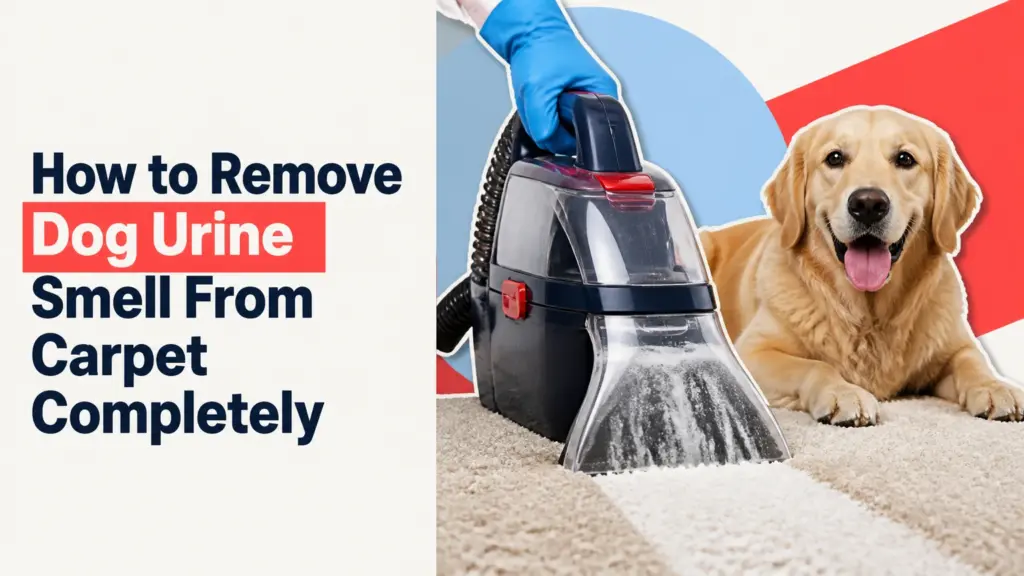
To remove dog urine smell from carpet, blot fresh liquid, locate the full contaminated area, and saturate the carpet with a labeled enzymatic urine cleaner so it reaches the backing and pad. Keep the treatment wet for the label’s contact time, extract excess moisture, and dry the carpet completely for 24-48 hours. Key Facts Enzymatic […]
How Often Should You Clean Your Mattress? A Safe Schedule
You should deep clean your mattress every 6 months under normal conditions, while vacuuming it about monthly and treating spills immediately. Clean every 3 months if a sleeper has significant allergies, a pet sleeps on the bed, or heavy sweating adds persistent moisture. Follow the mattress manufacturer’s care label before using any liquid or steam. […]
How to Remove Pet Urine Stains From Hardwood Floors
To remove pet urine stains from hardwood floors, blot fresh urine immediately, clean the finish with a wood-safe product, and dry the area quickly without saturating the boards. Light surface stains may respond to careful enzymatic treatment, while gray or black discoloration usually requires controlled sanding, bleaching, board replacement, or professional refinishing. Key Facts Blot […]
How to Remove Cat Urine Smell From Carpet: 7 Steps
To remove cat urine smell from carpet, extract fresh liquid, saturate the contaminated carpet and pad with a compatible enzymatic cleaner, then let the area dry fully for 24-48 hours. Permanent odor control depends on reaching every urine-contaminated layer, not masking the surface with fragrance, vinegar, or baking soda. Key facts at a glance Enzymatic […]
How to Clean a Mattress Without Trapping Moisture
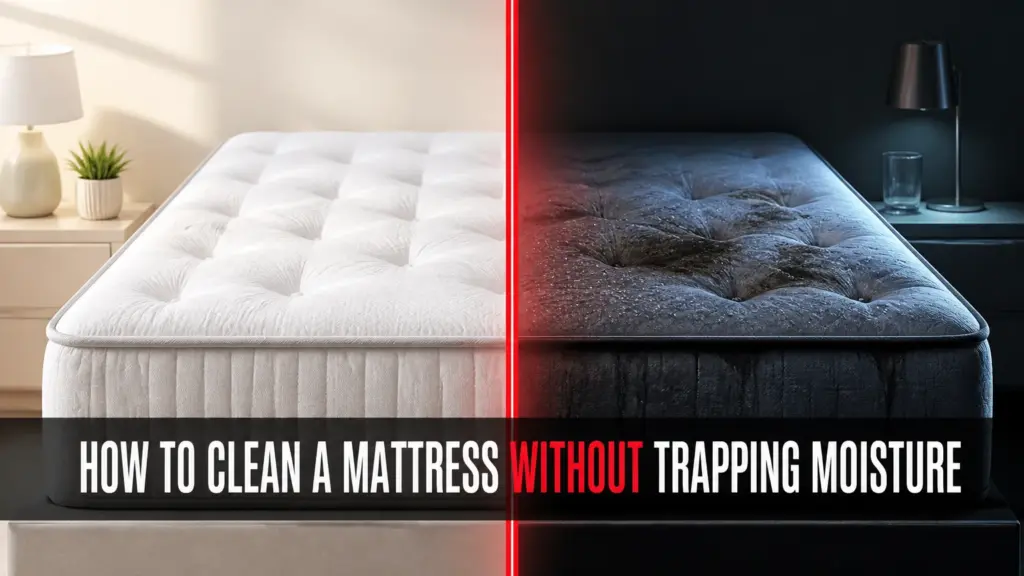
To clean a mattress safely, strip and wash the bedding, vacuum the entire surface, deodorize with a dry absorbent, treat stains with minimal liquid, and dry the mattress completely before remaking the bed. The mattress material and stain type determine which cleaner is safe, but controlling moisture is the main factor that prevents lingering odor […]
How to Remove Stains from Hardwood Floors Safely
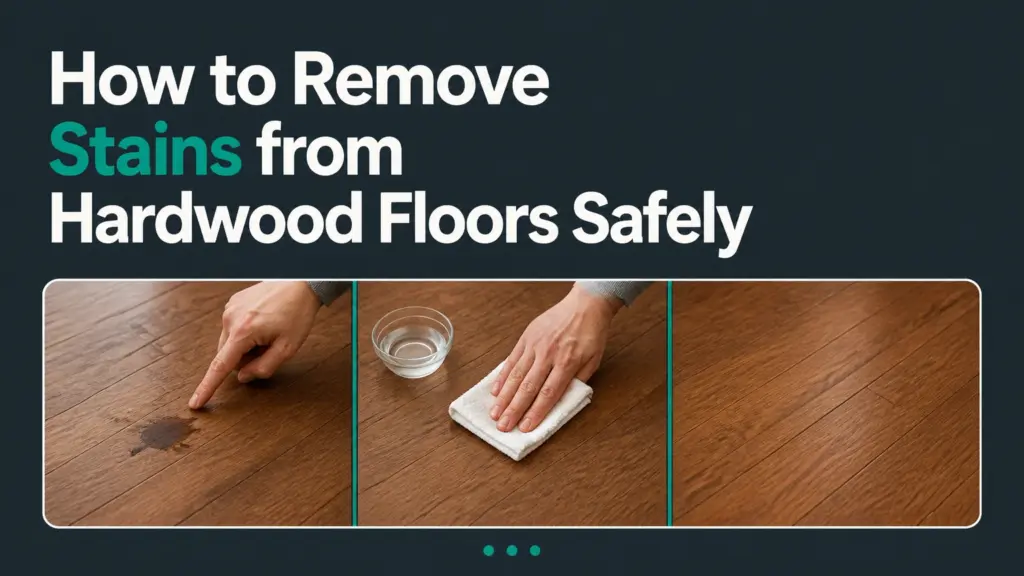
To remove stains from hardwood floors, first identify the finish and stain type, then clean with the least aggressive compatible method. Blot fresh spills, use minimal moisture on sealed floors, and test every solvent or bleaching agent in a hidden area. White rings often remain in the finish, while black stains usually penetrate the wood […]
How to Clean Laminate Floors Naturally: A 15-Minute Method
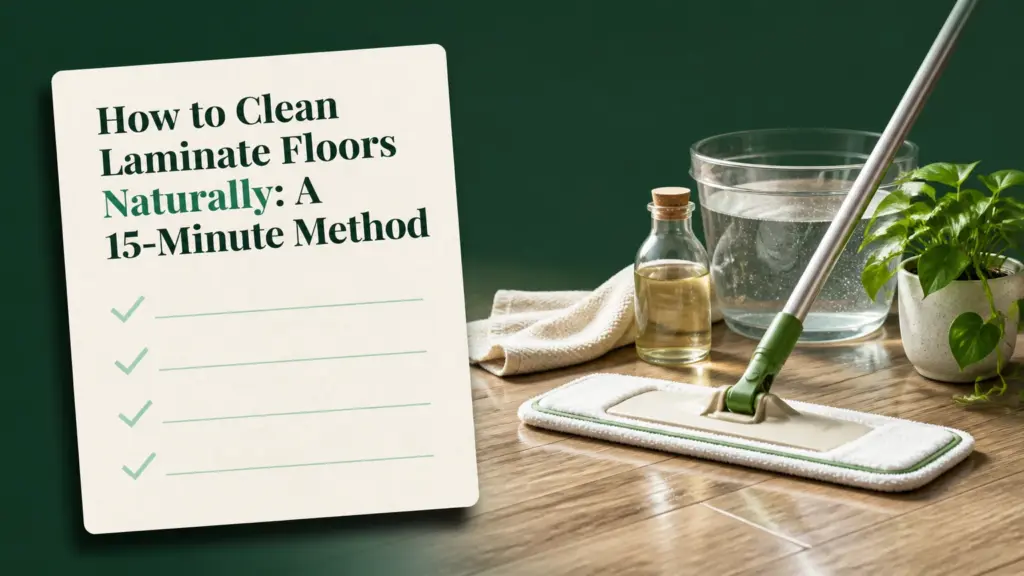
To clean laminate floors naturally, remove dry grit first, then wipe small sections with a barely damp microfiber pad and a mild solution such as distilled water or diluted vinegar. Keep moisture off the floor for under two minutes, dry each section immediately, and avoid steam, soaking, wax, oil, and abrasive tools that can damage […]
How to Freshen a Mattress Safely and Thoroughly
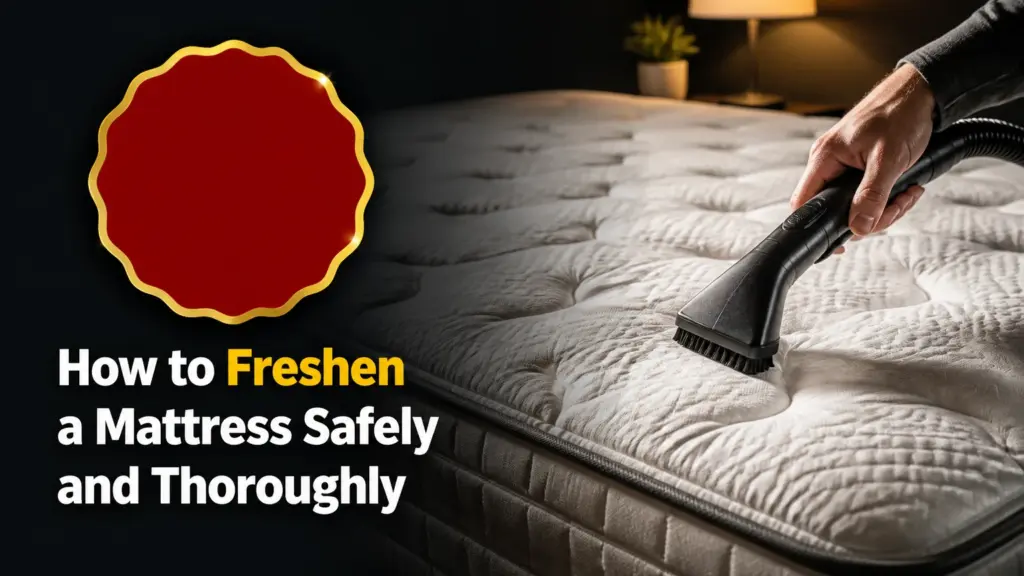
To freshen a mattress, strip and wash the bedding, vacuum every surface and seam, spot-treat only visible stains, apply dry baking soda for 2-24 hours, vacuum again, and air the mattress until completely dry. The safest routine removes surface debris and odors without soaking foam, damaging fibers, or trapping moisture inside the mattress. Key facts […]
How to Pressure Wash a Driveway Safely in 2 Hours
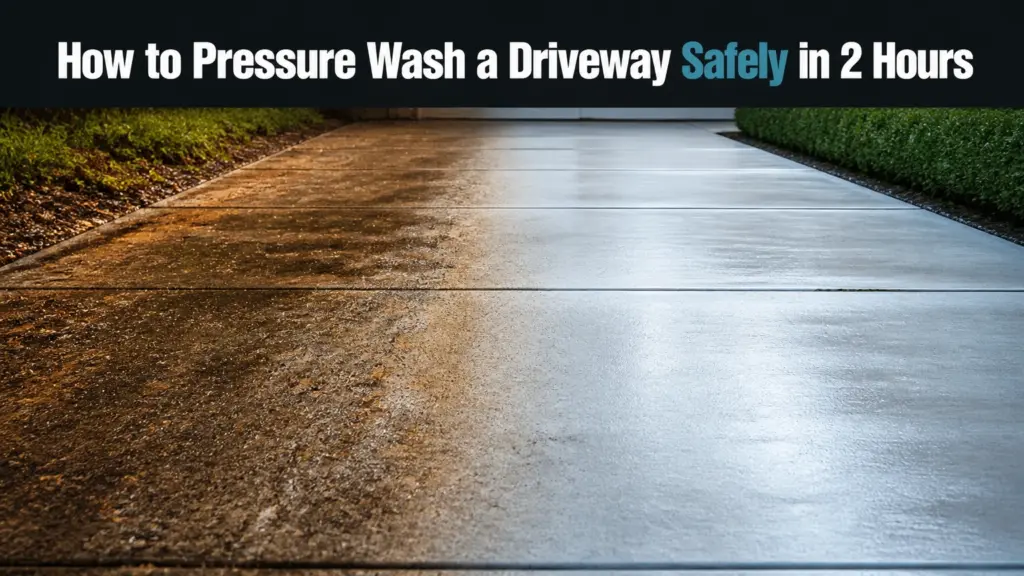
Pressure washing a driveway means using controlled water pressure, suitable detergent, and consistent overlapping passes to remove embedded soil, algae, tire marks, and some oil residue. A typical two-car concrete driveway takes 1.5-3 hours, including preparation and drying, when cleaned with a 2,000-3,000 PSI machine and a compatible surface cleaner. Key Facts A 2,000-3,000 PSI […]