Steam Cleaning Grout: Safe Deep-Cleaning Steps
Steam cleaning grout uses heated water vapor and mechanical agitation to loosen soil from grout joints, after which the dirty moisture must be removed with a microfiber cloth or extraction tool. The method works best on sound cement-based grout installed with ceramic or porcelain tile, but high heat cannot repair crumbling grout, remove every dye […]
Laminate vs Hardwood Floor Cleaning: Practical Verdicts

Laminate vs hardwood floor cleaning differs mainly in moisture control and surface compatibility. Laminate has a water-sensitive fiberboard core exposed at plank joints, while hardwood relies on a finish that protects natural wood. Laminate is usually simpler for routine care, but hardwood offers repair and refinishing options that laminate cannot match. Key Facts at a […]
How to Remove Mold From Grout Safely in 30 Minutes

Remove mold from grout by correcting the moisture source, applying one compatible cleaner, scrubbing with a nylon grout brush, rinsing, and drying the joint completely. For a small bathroom patch, the work usually takes 30-60 minutes and costs approximately $5-$25, but recurring growth, crumbling grout, leaks, or areas larger than about 10 square feet require […]
How to Deep Clean Tile Floors Safely at Home
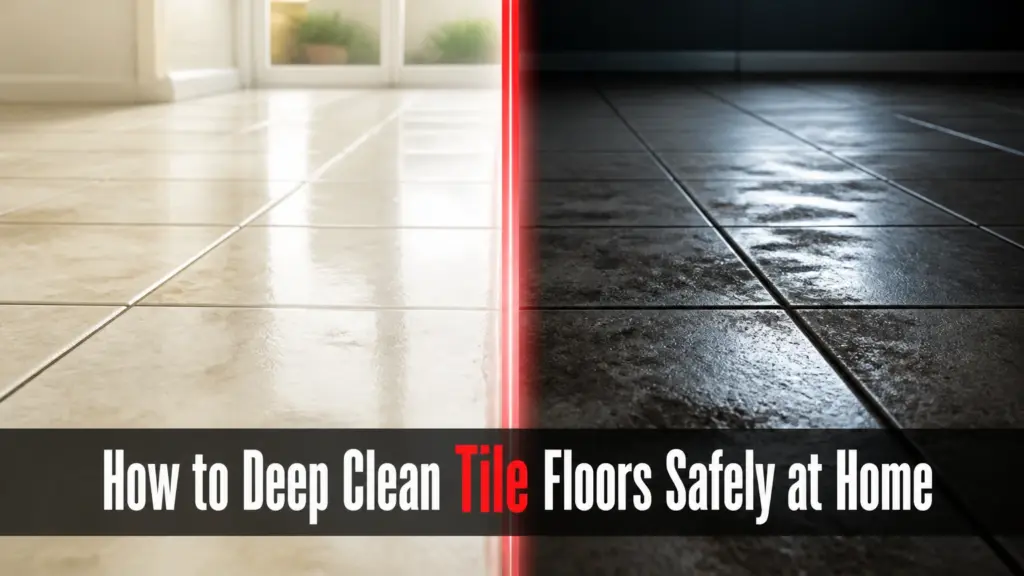
Deep cleaning tile floors requires dry vacuuming, a compatible cleaner, controlled dwell time, nylon agitation, dirty-water extraction, and a clean-water rinse. For a typical 150-square-foot ceramic or porcelain floor, the process takes about 1.5-3 hours and costs approximately $20-$80. The tile and grout type determine which chemicals are safe. Key Facts at a Glance Vacuuming […]
How to Clean a Driveway: Safe 3-Hour Method

To clean a driveway, remove loose debris, pre-treat stains, wash with the lowest effective pressure, rinse runoff away from plants and drains, and let the surface dry fully. A typical 400-square-foot concrete driveway takes 2-4 hours, and the material, stain type, water pressure, and runoff control determine the result. Key Facts at a Glance What […]
How to Clean Upholstery Safely, Without Water Damage
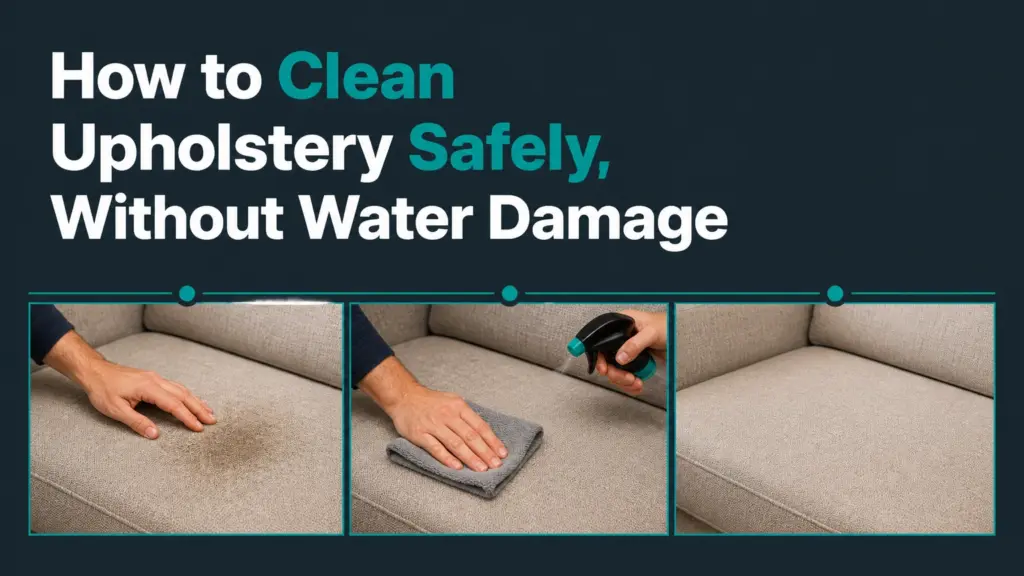
Upholstery is cleaned safely by checking its care code, vacuuming loose soil, testing a compatible cleaner, treating stains without rubbing, applying minimal moisture, removing residue, and drying the furniture quickly. For most W or W/S synthetic fabric, a careful low-moisture clean takes 1-3 active hours, while the fabric and padding may need 6-24 hours to […]
How to Keep Grout Clean: A Practical Maintenance System
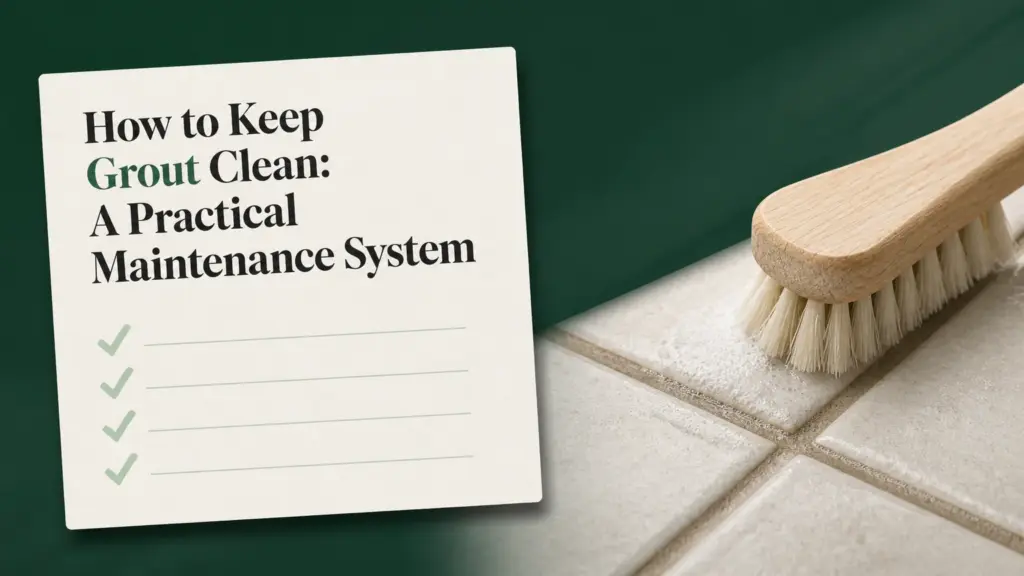
Grout stays clean when you remove dry soil before it becomes slurry, use a cleaner suited to the grout and tile, rinse away residue, and control moisture afterward. Most cement grout needs weekly cleaning and periodic sealing, while epoxy grout usually needs no sealer but still requires prompt removal of soap, grease, and hard-water deposits. […]
How to Deep Clean Laminate Floors Without Damage
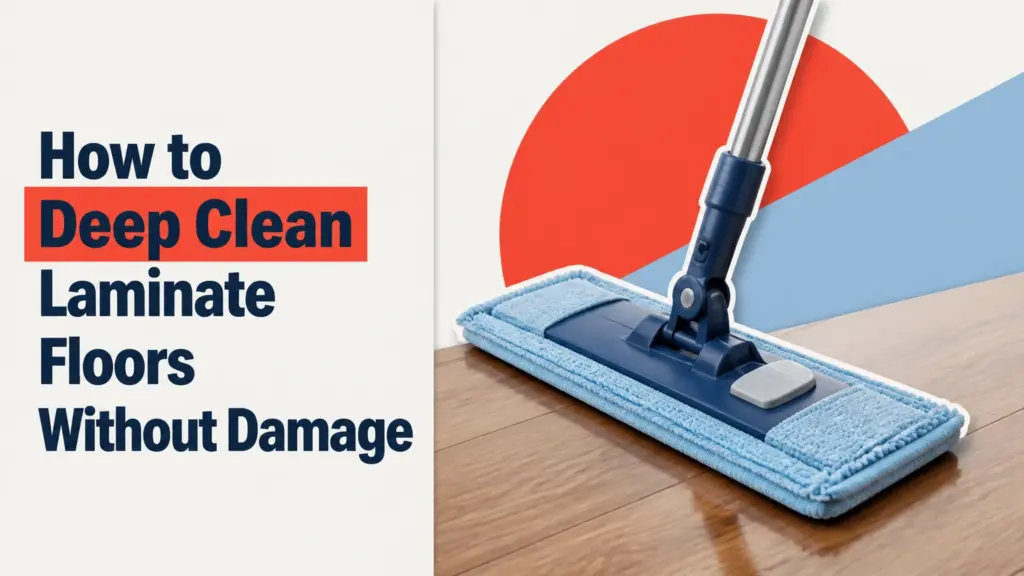
To deep clean laminate floors, remove dry grit first, treat stains with a compatible solvent, damp-mop small sections with minimal pH-neutral solution, and dry each section immediately. A 500-square-foot room typically takes 45-60 minutes, but preventing liquid from entering seams matters more than using stronger chemicals. Key Facts Laminate flooring should be cleaned with controlled […]
How to Clean a Polyester Couch Without Water Rings
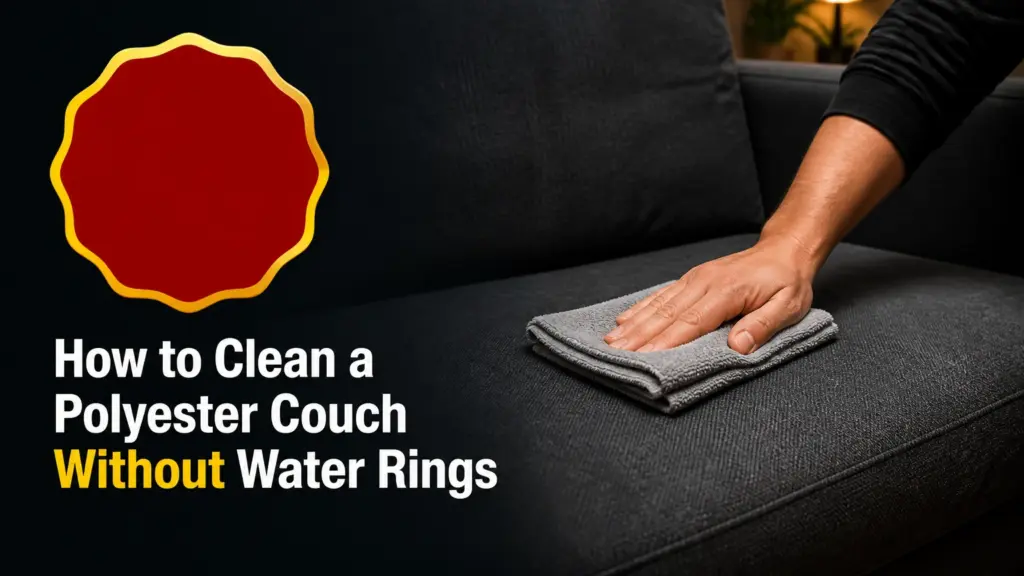
To clean a polyester couch, first read its upholstery code, then vacuum thoroughly and use only the approved water-based or solvent-based method. Apply cleaner sparingly, blot rather than scrub, remove residue, and dry the fabric quickly with airflow. The cleaning code, not the word polyester alone, determines which liquids are safe. Key Facts at a […]
How to Clean Grout Without Scrubbing: Safely
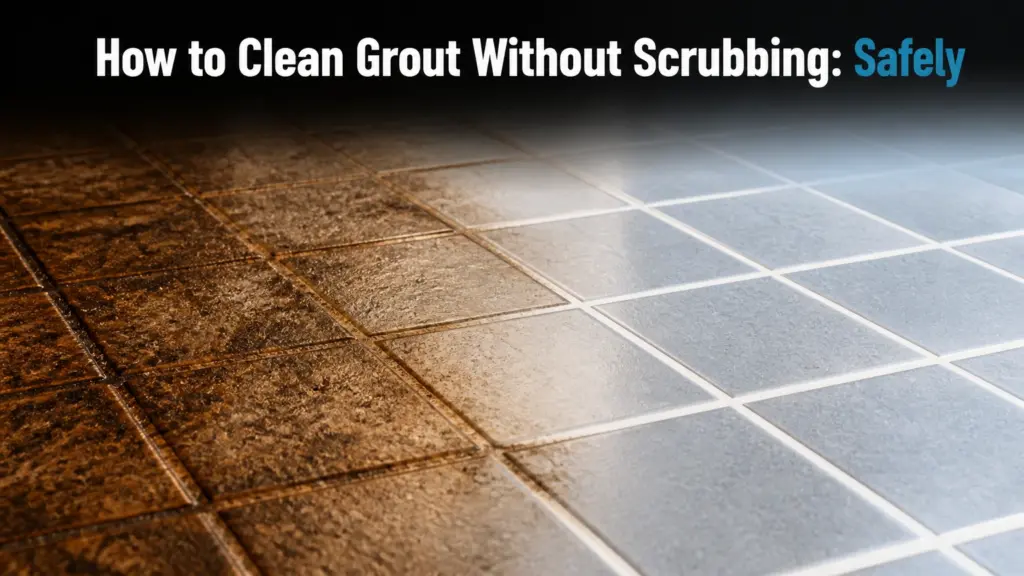
To clean grout without scrubbing, apply a compatible oxygen-bleach or alkaline cleaner, keep it wet for the label-specified dwell time, then extract and rinse the loosened soil. The most reliable general method uses sodium percarbonate on compatible cement grout for 15-30 minutes; cleaner choice, moisture control, and complete residue removal determine the result. Key facts […]