Upholstery Cleaning vs Steam Cleaning: Which Wins?
Upholstery cleaning is the broad process of removing soil, oils, stains, allergens, and odors from furniture, while steam cleaning usually means hot water extraction, one specific upholstery method. Hot water extraction is usually best for code W or W-S synthetic fabric with heavy soil, but solvent or low-moisture cleaning is safer for code S, fragile […]
How to Remove Stains From Grout: Safe 5-Step Method
To remove stains from grout, identify the stain, apply a compatible cleaner for 10-15 minutes, scrub with a nylon grout brush, rinse away suspended soil, and dry the joint completely. Oxygen bleach is the safest starting point for most cement grout, while acids, chlorine bleach, and steam require specific surface and stain conditions. Key facts […]
Why Does Grout Get Dirty? The Science Explained
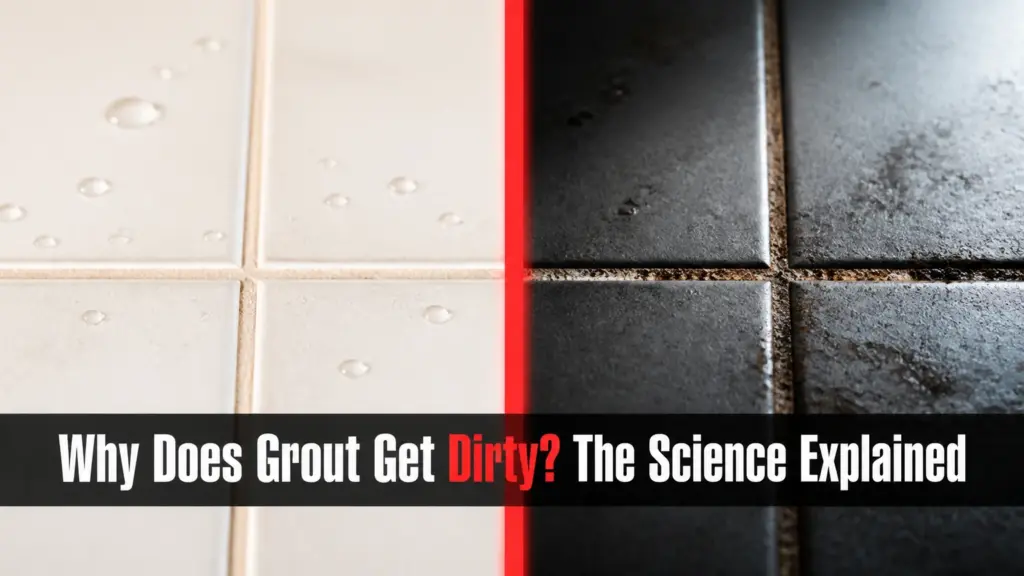
Grout gets dirty because cementitious grout is porous, textured, and slightly lower than the tile surface, so it absorbs liquids and traps soil that tile sheds. As water evaporates, dirt, oils, soap residue, minerals, and microorganisms remain in the joint, where repeated traffic and moisture darken the grout. Key Facts at a Glance Standard cement […]
How to Remove Pet Urine From Couch Safely
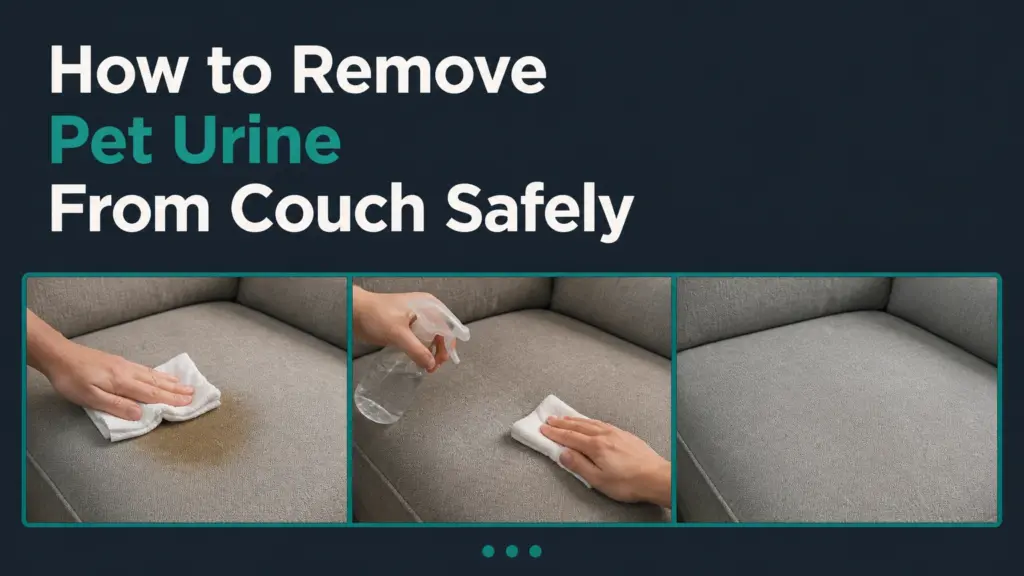
To remove pet urine from a couch, blot as much liquid as possible, verify the upholstery care code, then apply a compatible enzymatic urine cleaner deeply enough to reach the contaminated padding. Keep the area damp for the product’s stated dwell time, extract excess moisture, and air-dry fully for 24-48 hours before judging the odor. […]
How to Clean Upholstered Chairs: Safe 7-Step Method
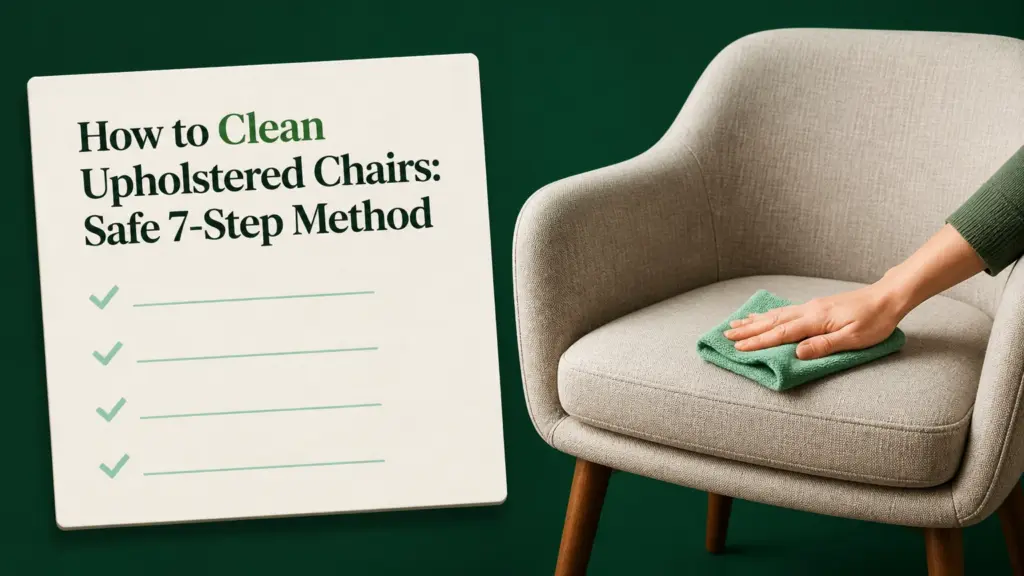
To clean upholstered chairs safely, identify the care code, vacuum dry soil, spot-test a suitable cleaner, apply minimal moisture, blot or extract residue, and dry the chair quickly with moving air. The complete process usually takes 45-90 minutes of work plus 4-12 hours of drying, and the fabric code determines which liquid or solvent is […]
How Often Should Upholstery Be Cleaned? A Safer Schedule
Upholstery should usually receive professional cleaning every 12-24 months, with weekly or biweekly vacuuming between services. Homes with pets, children, smokers, frequent entertaining, or allergy sufferers often need professional cleaning every 6-12 months. Immediate spot treatment matters more than the calendar after spills, urine, vomit, flooding, or persistent odors. Key Facts at a Glance Low-use […]
How to Remove Pet Smell From Couch: 7 Steps That Work
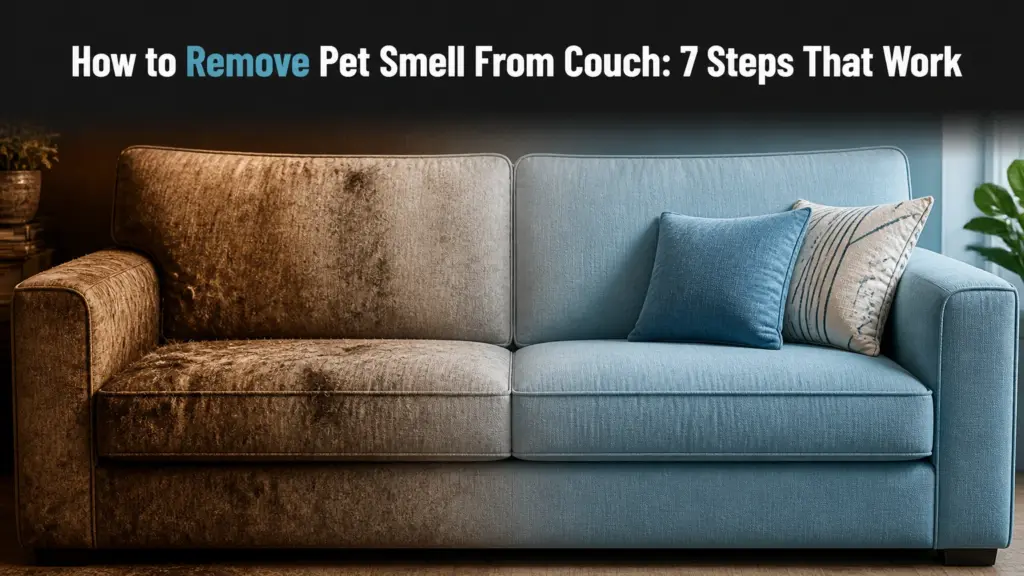
To remove pet smell from a couch, vacuum away hair and dander, follow the upholstery care code, treat urine or other organic residue with an upholstery-safe enzymatic cleaner, and dry every layer completely. The most important factor is reaching the odor source without oversaturating the cushion or applying heat before urine residue is removed. Key […]
How to Steam Clean a Couch: Safe Deep-Clean Method
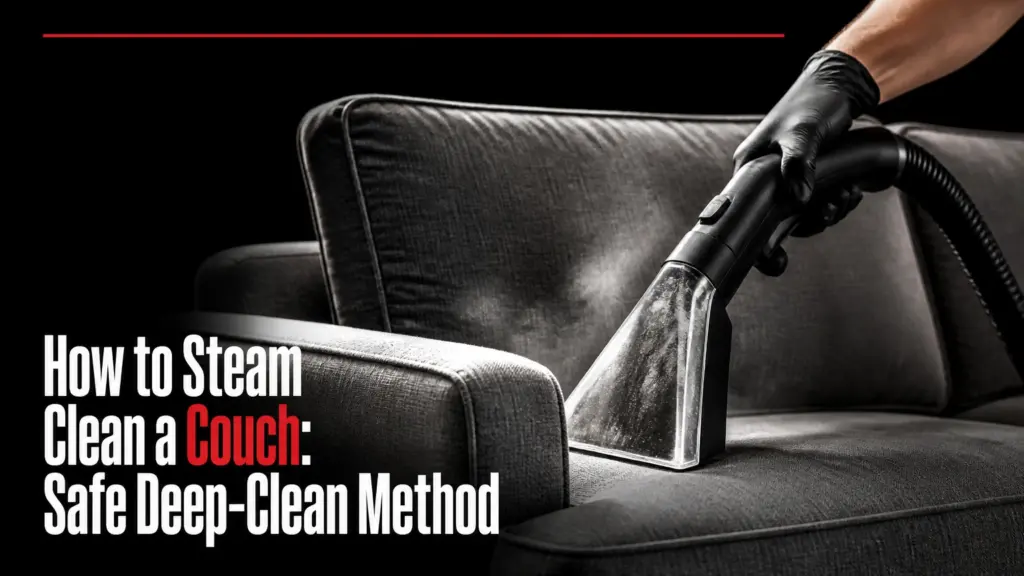
To steam clean a couch safely, confirm the upholstery care code, vacuum dry soil, test an inconspicuous area, use short low-moisture passes, extract excess water, and dry the couch quickly with strong airflow. The complete process usually takes 1-2 hours of hands-on work, but drying can take 4-12 hours. Key Facts at a Glance A […]
How to Clean Velvet Sofa: Safe Steps, No Water Rings
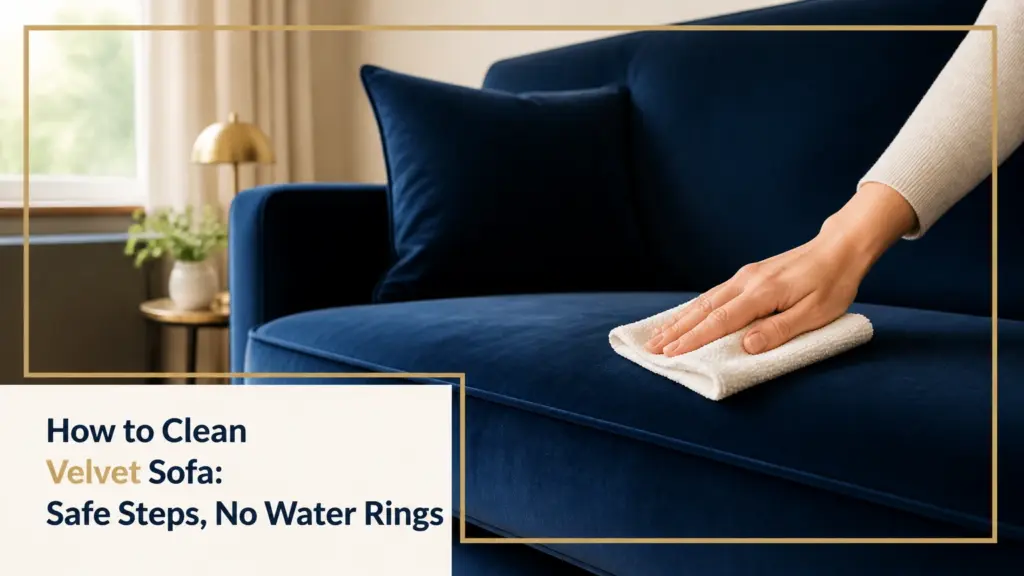
To clean a velvet sofa safely, first identify its upholstery cleaning code, then vacuum the pile and use the least-moisture method approved by the manufacturer. Code W or WS velvet can usually be cleaned with controlled foam, while code S, X, silk, viscose, and valuable antique velvet require solvent-specific or professional care. Key Facts at […]
How to Clean Bathroom Tile and Grout for Lasting Results
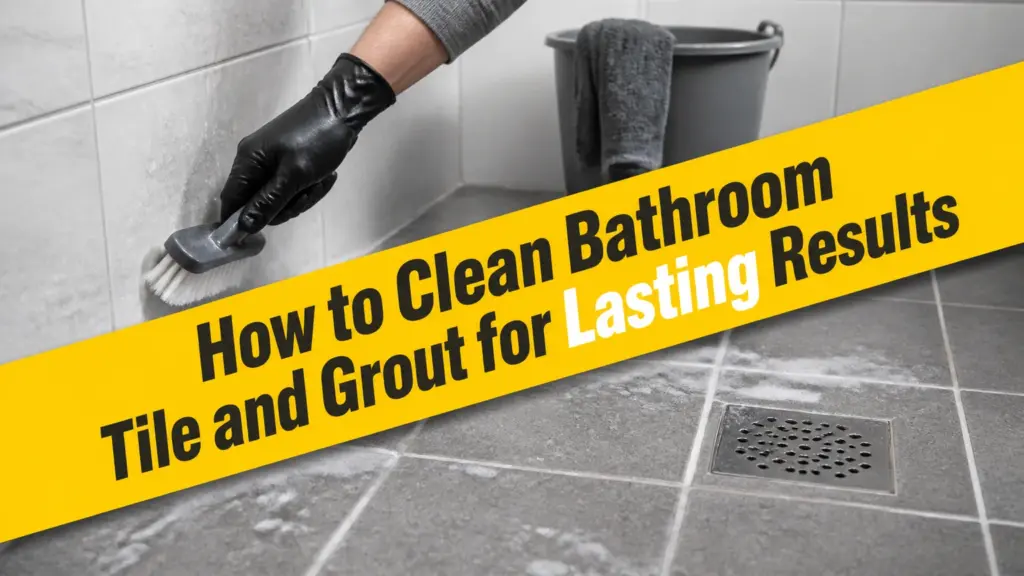
To clean bathroom tile and grout, remove loose soil, apply a surface-compatible cleaner, allow 5-10 minutes of dwell time, agitate with a nylon brush, rinse completely, and dry the surface. Ceramic and porcelain tolerate more cleaning options than marble, limestone, or travertine, while porous grout needs careful moisture control and may require sealing after it […]