How to Clean Linen Sofa Fabric Safely in 24 Hours
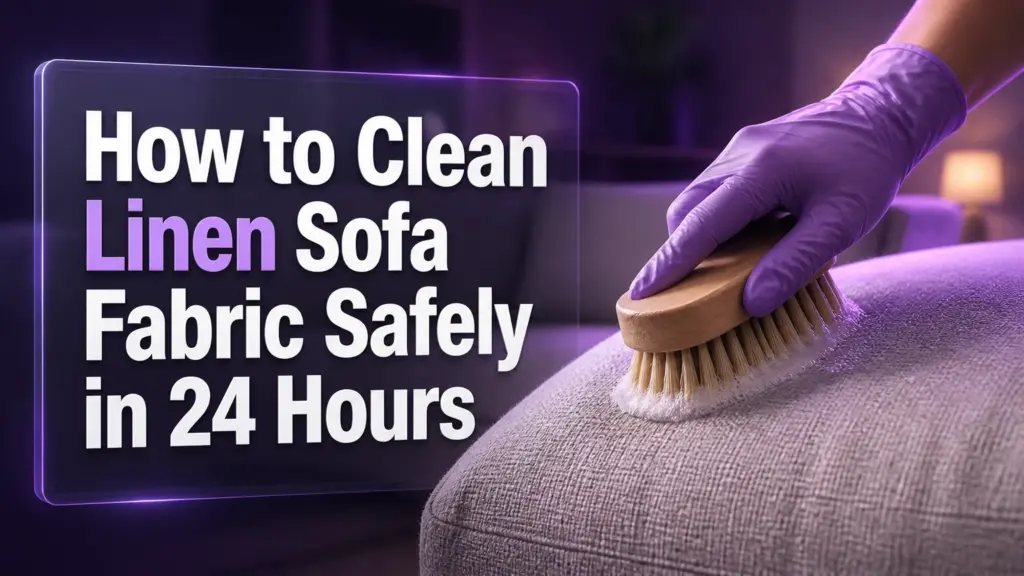
To clean a linen sofa safely, first read its upholstery care code, vacuum away dry grit, test a hidden area, and use the smallest approved amount of water or solvent. Blot rather than scrub, clean in small sections, and dry the fabric rapidly with airflow. The care label determines the correct method. Key Facts at […]
How to Remove Stains From Upholstery in 6 Steps
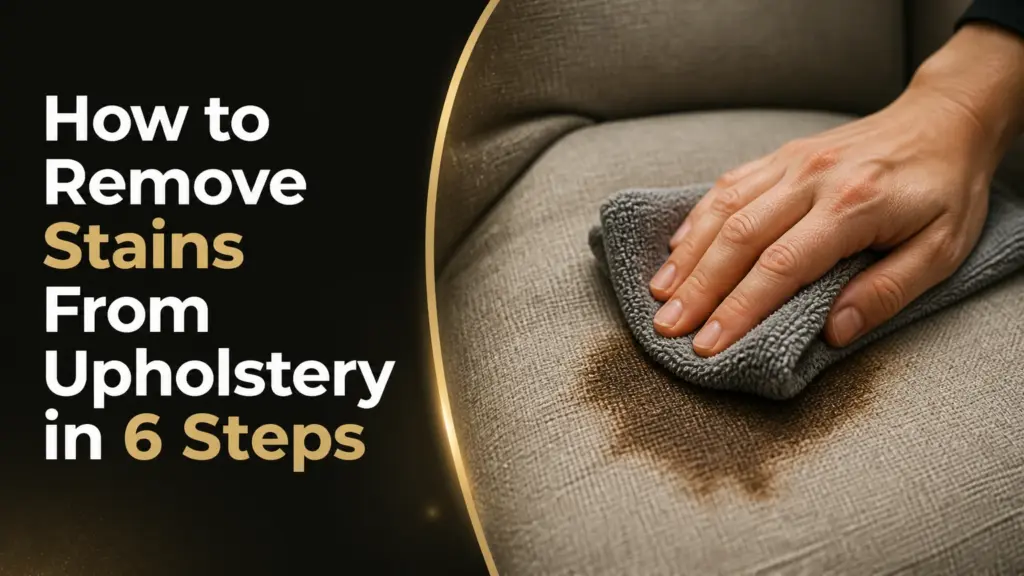
To remove stains from upholstery, identify the fabric-care code, remove excess material, apply a compatible cleaner sparingly, blot rather than scrub, rinse only when the code permits, and dry the fabric rapidly. The stain type determines the chemistry: enzymes suit protein soils, absorbent powders suit fresh grease, and solvent methods suit approved S fabrics. Key […]
How to Clean Dirty Grout Safely in 5 Steps
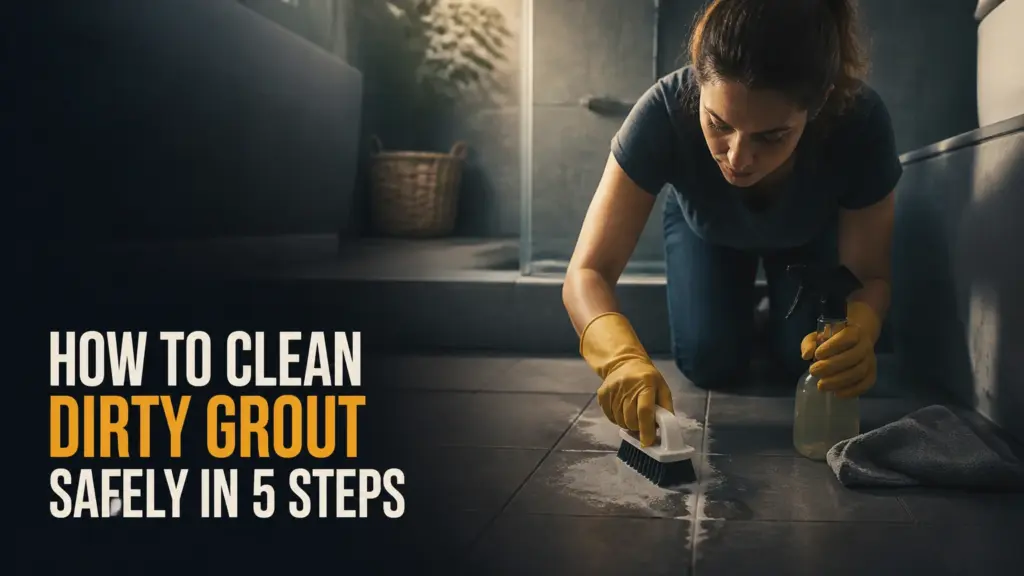
To clean dirty grout, remove loose soil, apply a cleaner matched to the stain, keep it wet for the correct dwell time, scrub with a nylon brush, and extract all residue with clean water. Most ceramic and porcelain tile grout can be restored in 45-90 minutes, but damaged grout requires repair rather than harder scrubbing. […]
How to Remove Mildew From Grout: 5 Safe Steps
To remove mildew from grout, ventilate the room, wear gloves and eye protection, remove dry debris, apply a compatible cleaner for 5-15 minutes, scrub with a nylon brush, rinse thoroughly, and dry the grout completely. Hydrogen peroxide is a practical first choice for small areas, while recurring or extensive growth requires moisture control and sometimes […]
How to Clean Kitchen Tile and Grout Without Damage
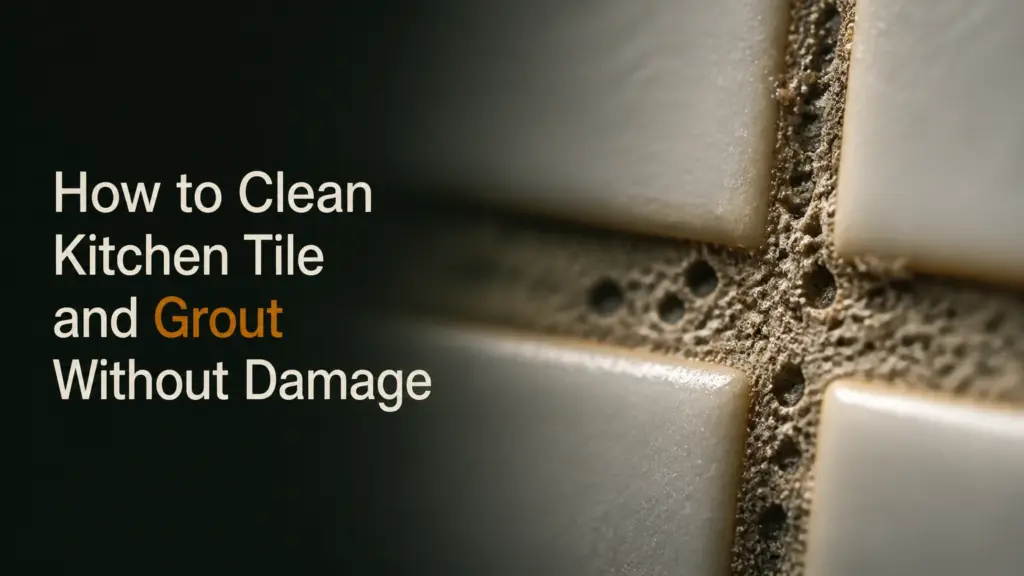
To clean kitchen tile and grout, remove loose soil, apply a compatible cleaner for 5-15 minutes, scrub with a nylon brush, then rinse and dry completely. Use an alkaline cleaner for grease on ceramic or porcelain, a pH-neutral product for natural stone, and never use vinegar or metal brushes on vulnerable surfaces. Key Facts at […]
Why Does Grout Turn Black? Causes, Fixes, and Prevention
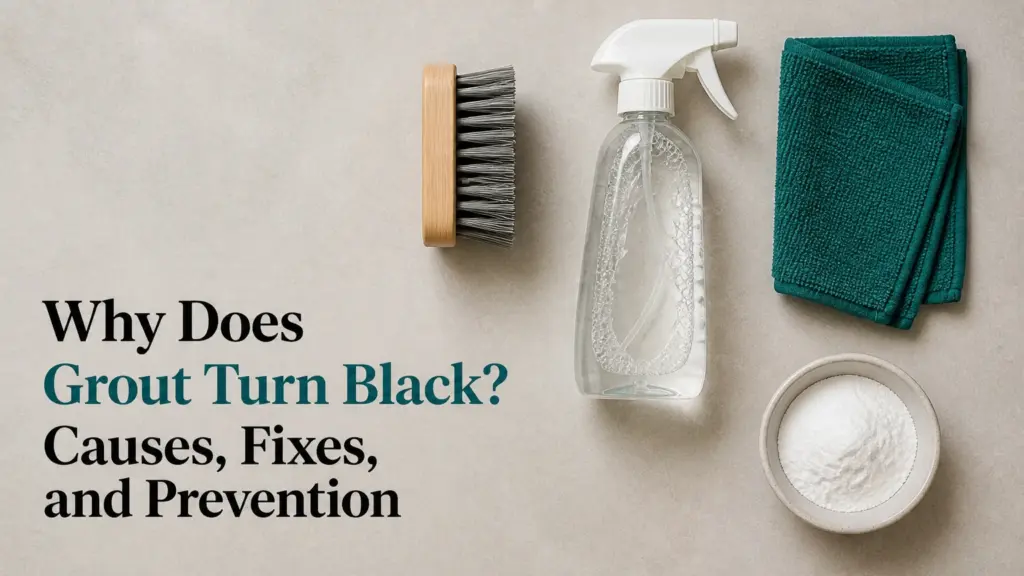
Grout turns black when moisture carries mold, soap residue, body oils, dirt, grease, or mineral deposits into its porous surface and joints. In showers, mold and biofilm are common; on kitchen and floor grout, embedded grease and tracked soil are often more likely. The correct cleaner depends on the stain’s texture, location, and recurrence. Key […]
How to Clean Tile and Grout Without Damaging Surfaces
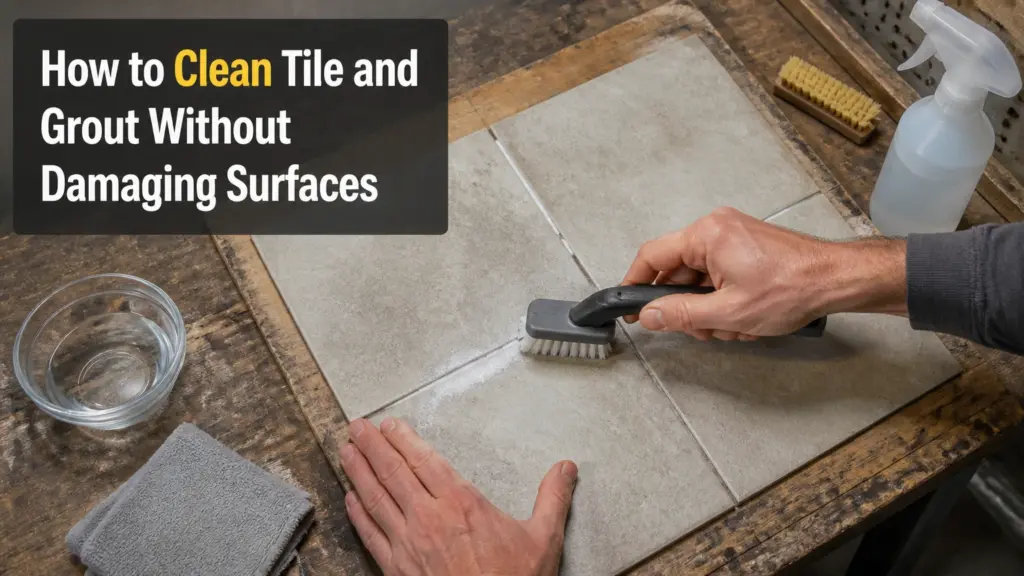
To clean tile and grout, remove dry grit, apply a surface-appropriate cleaner, allow 5-15 minutes of dwell time, scrub grout with nylon bristles, extract dirty water, rinse, and dry completely. Ceramic and porcelain tolerate stronger alkaline cleaners than marble, limestone, and travertine, which require pH-neutral products and gentler tools. Key Facts at a Glance Ceramic […]
How to Clean a Fabric Couch Without Water Damage
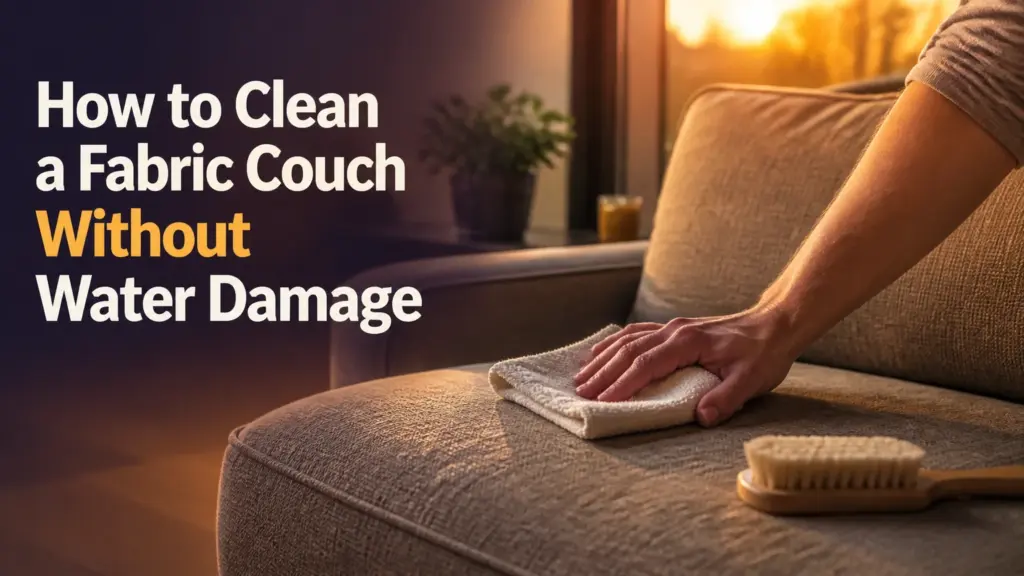
To clean a fabric couch, first read the upholstery care code, vacuum away dry soil, spot-test a compatible cleaner, apply minimal moisture, blot rather than scrub, and dry the couch quickly with moving air. A typical low-moisture cleaning takes 45-90 active minutes and requires 6-12 hours of drying, depending on humidity and cushion thickness. Key […]
How to Remove Odors From Upholstery in 6 Safe Steps
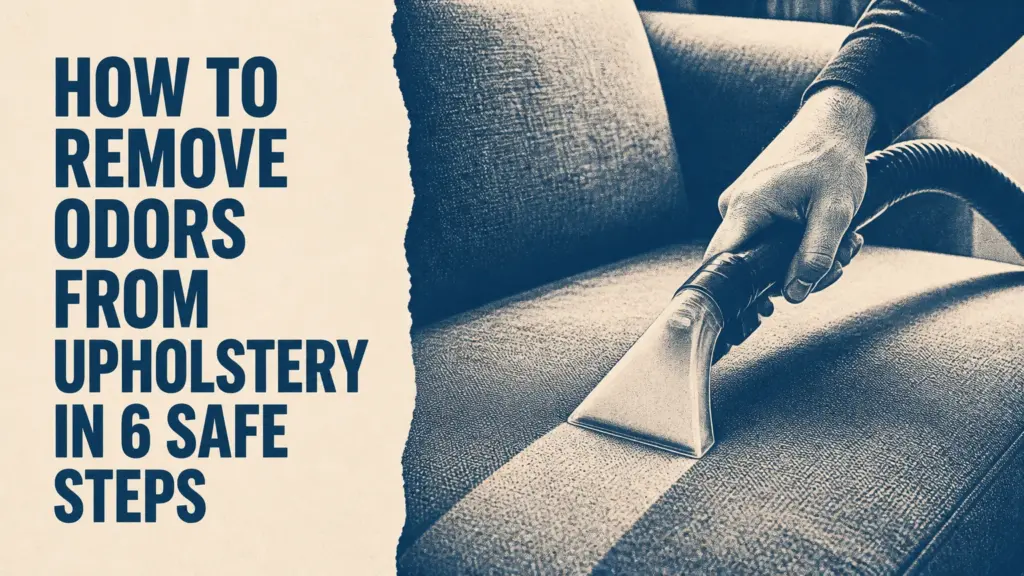
To remove odors from upholstery, identify the odor source, check the fabric-cleaning code, vacuum deeply, treat the contaminant with a compatible cleaner, extract residue, and dry the furniture rapidly. The most important factor is reaching the foam when liquid has penetrated the cushion, because surface deodorizing cannot remove a deep biological or smoke odor. Key […]
Grout Cleaning vs Grout Sealing: Which Comes First?
Grout cleaning removes existing soil, soap residue, mineral deposits, and biological growth from grout joints, while grout sealing reduces future absorption into suitable grout. Cleaning restores the surface; sealing protects the clean, dry material afterward. For most cement-based grout, the correct sequence is clean, rinse, dry completely, inspect, then seal. Key facts at a glance […]